Chinese medicine packaging design in Hong Kong
For proprietary Chinese medicines and Chinese herbal products, we plan packaging structure and labelling from dosage form, storage, logistics and compliance angles. Easy Health operates in Hong Kong with in-house design and project coordination, offering Chinese medicine packaging design, coordination of label and carton printing, bottle/sachet/stick/blister options, sampling and packaging production coordination. Any production arrangements involving proprietary Chinese medicines are confirmed per project.
Summary:Practical packaging design for proprietary Chinese medicines and Chinese herbals with a compliance-first approach. Options include bottles, sachets, stick packs and blisters; coordination of printing, labels and inserts; guidance on Cap.549 labelling basics. Each project is individually assessed by a client manager. Contact us on WhatsApp.
Why is proprietary Chinese medicine packaging different from food packaging?
Proprietary Chinese medicines are regulated in Hong Kong. Under Cap.549 ss.143–144 and Cap.549F, they require compliant labels and a package insert for sale; the label must bear the registration number, and the expiry date and batch number at least in Chinese (EXP/LOT may be added). The insert cannot be replaced by the label. If your product is a general food or herbal tea, the prepackaged food rules (such as Cap.132W and Hong Kong’s “1+7” nutrition labelling) apply instead. Confirm classification first, then plan packaging and copy accordingly.
Packaging structures by dosage form
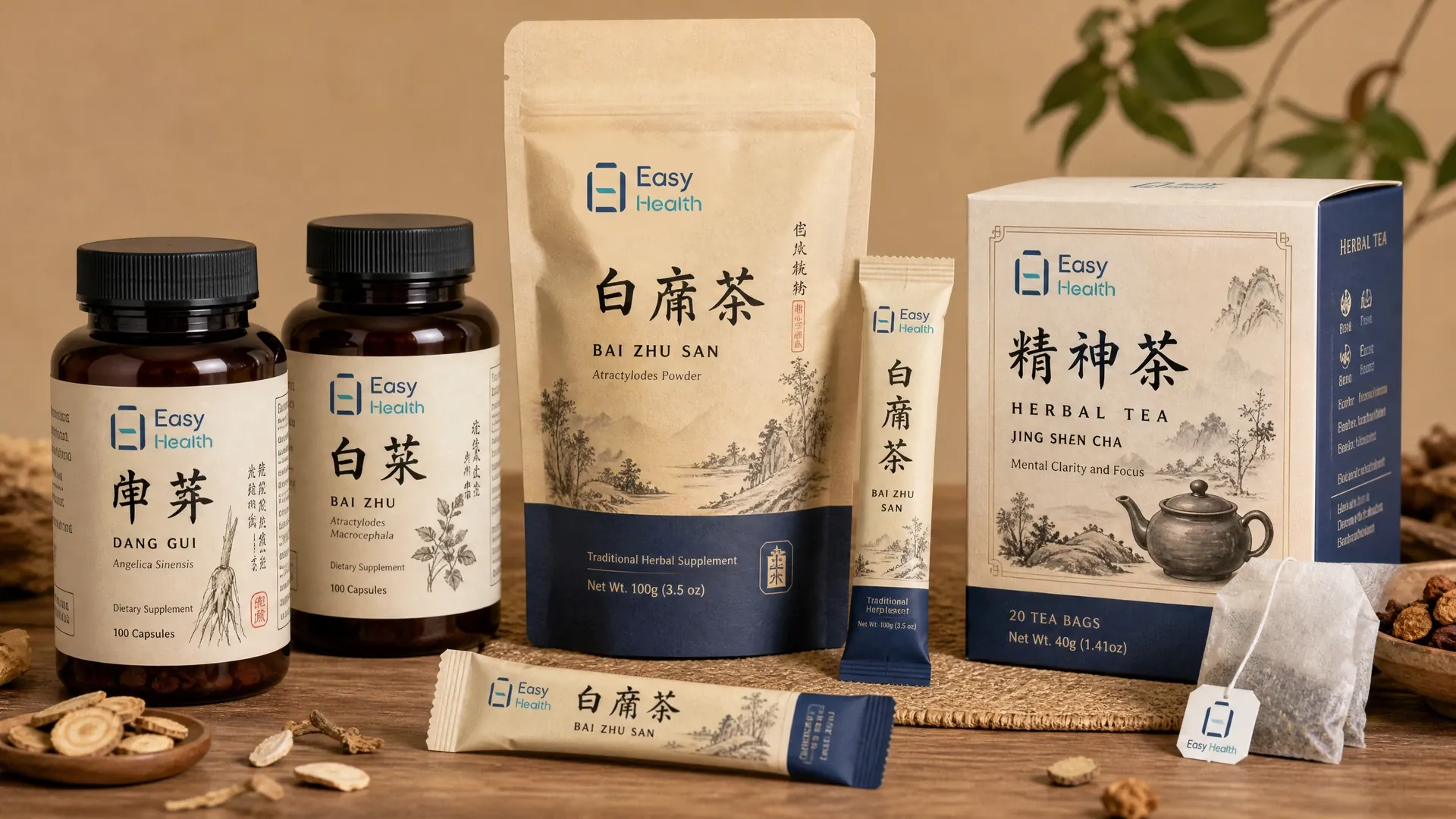
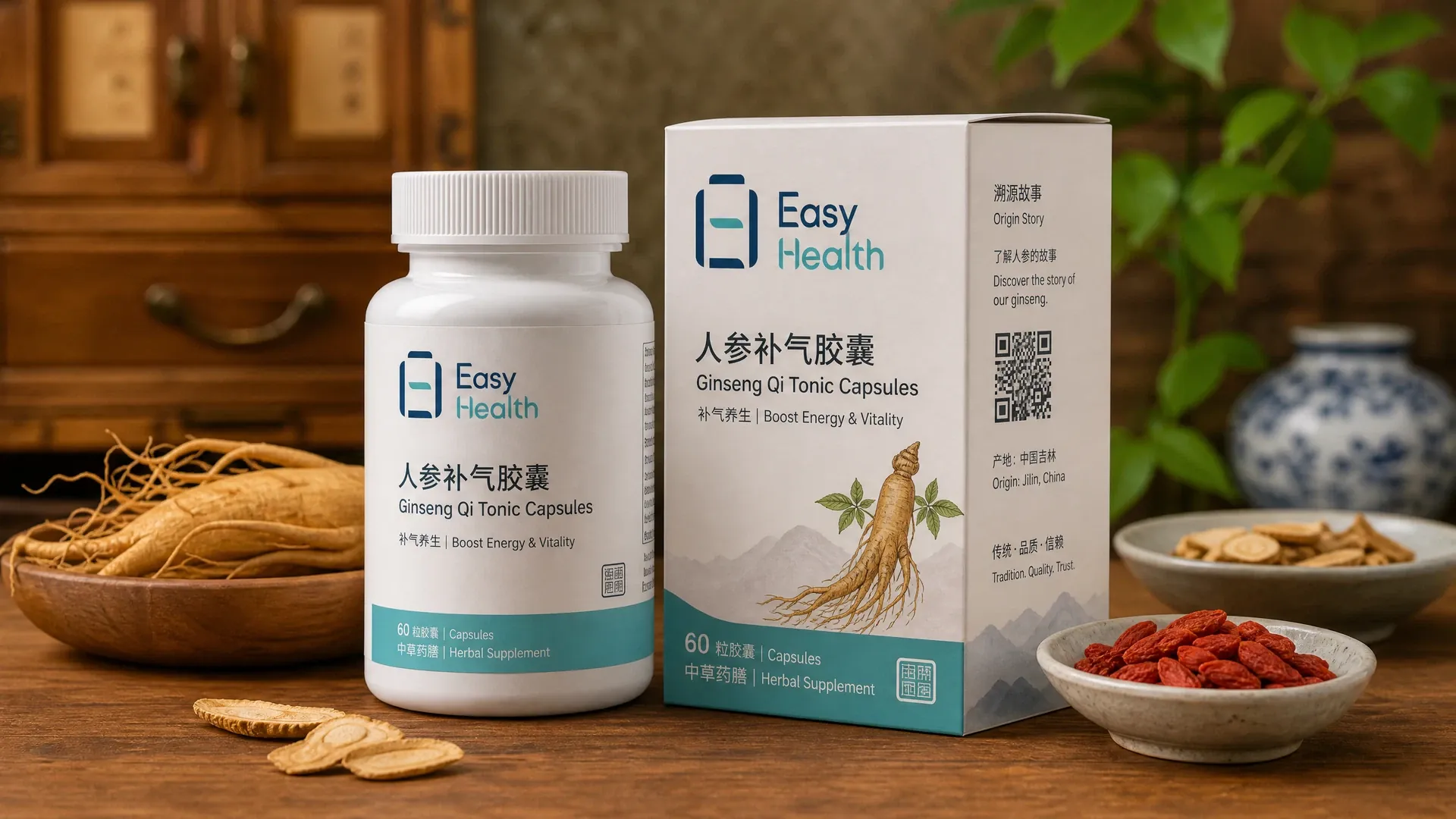
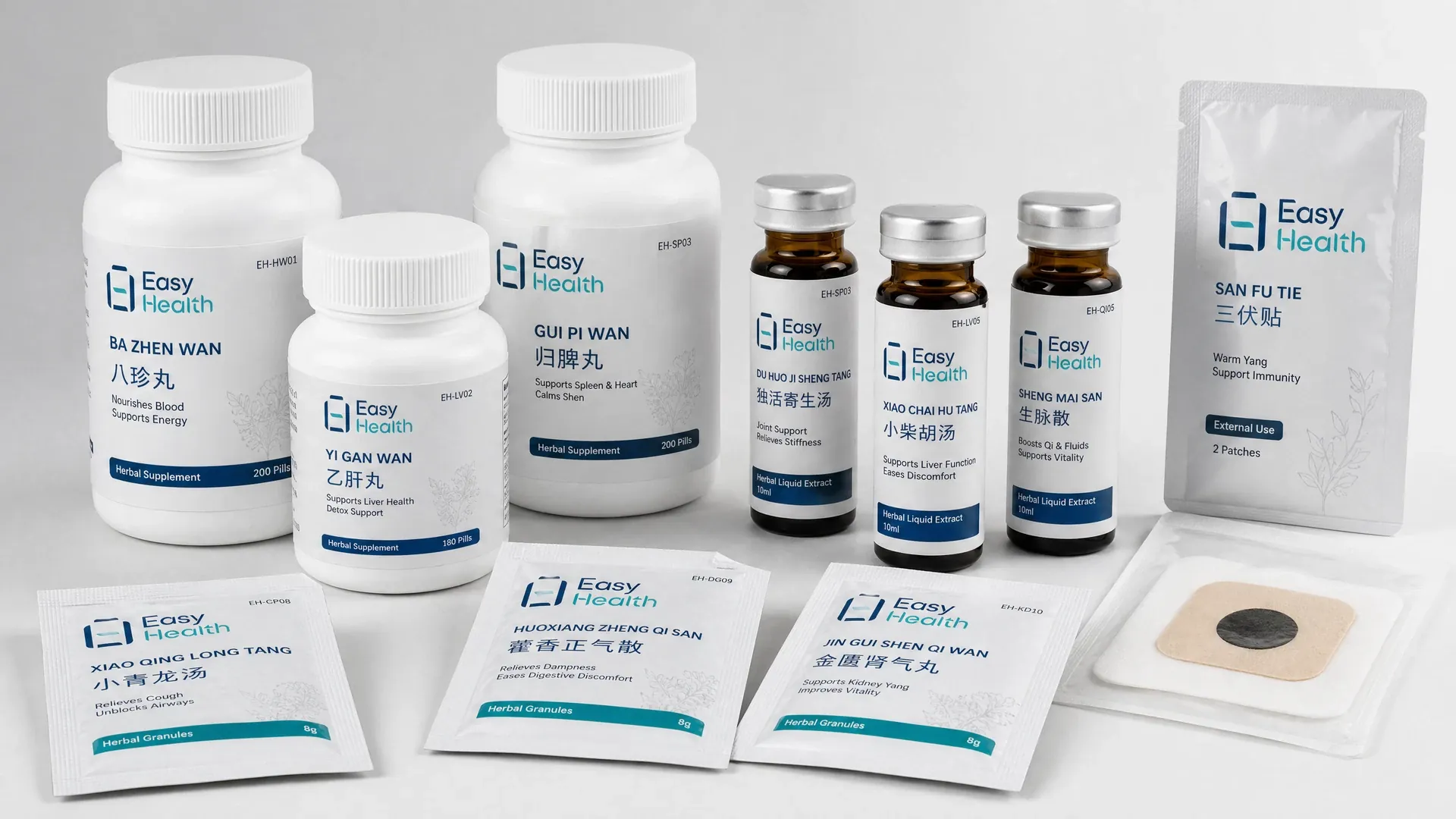
Different dosage forms require distinct packaging structures. Pills/tablets/capsules often use blisters with cartons or HDPE bottles with induction seals; granules/sachets suit aluminium–plastic laminates or stick packs with an inner carton; oral liquids and medicated wines typically use amber glass with tamper-evident closures; pastes require oxygen barriers and non-stick liners. Consider light protection, moisture/oxygen barriers, temperature variation, and allocate clear zones for batch and expiry marks. We coordinate materials and print arrangements, advise on structural robustness, sealing trials, sampling and line coordination to reduce transport and storage risks. Any production arrangements involving proprietary Chinese medicines are confirmed per project.
- Pills/tablets: blister or bottles with moisture control
- Granules: laminated sachets or stick packs
- Oral liquids: amber glass with tamper evidence
- Pastes: oxygen barrier and non-stick liners
Labels and package inserts
Proprietary Chinese medicines require both a label and a package insert, serving different purposes and not interchangeable. Plan label real estate for the registration number, and show expiry date and batch number at least in Chinese; bilingual items may add EXP/LOT. Inserts need readable layout, fold endurance and a secure fixing method inside the carton. If the product is a general food (e.g., herbal beverages), Cap.549 does not apply; follow Cap.132W and the “1+7” scheme for prepackaged foods. For exports or Mainland food products, review GB 7718/GB 28050 basics; for proprietary Chinese medicines, consult the Chinese Medicine Council or professional advisers.
- Clear space for registration number
- Expiry and batch in Chinese at minimum
- Insert cannot be replaced by label
- Food vs medicine rules differ in scope
Visual guide: structures, print finishes and layouts
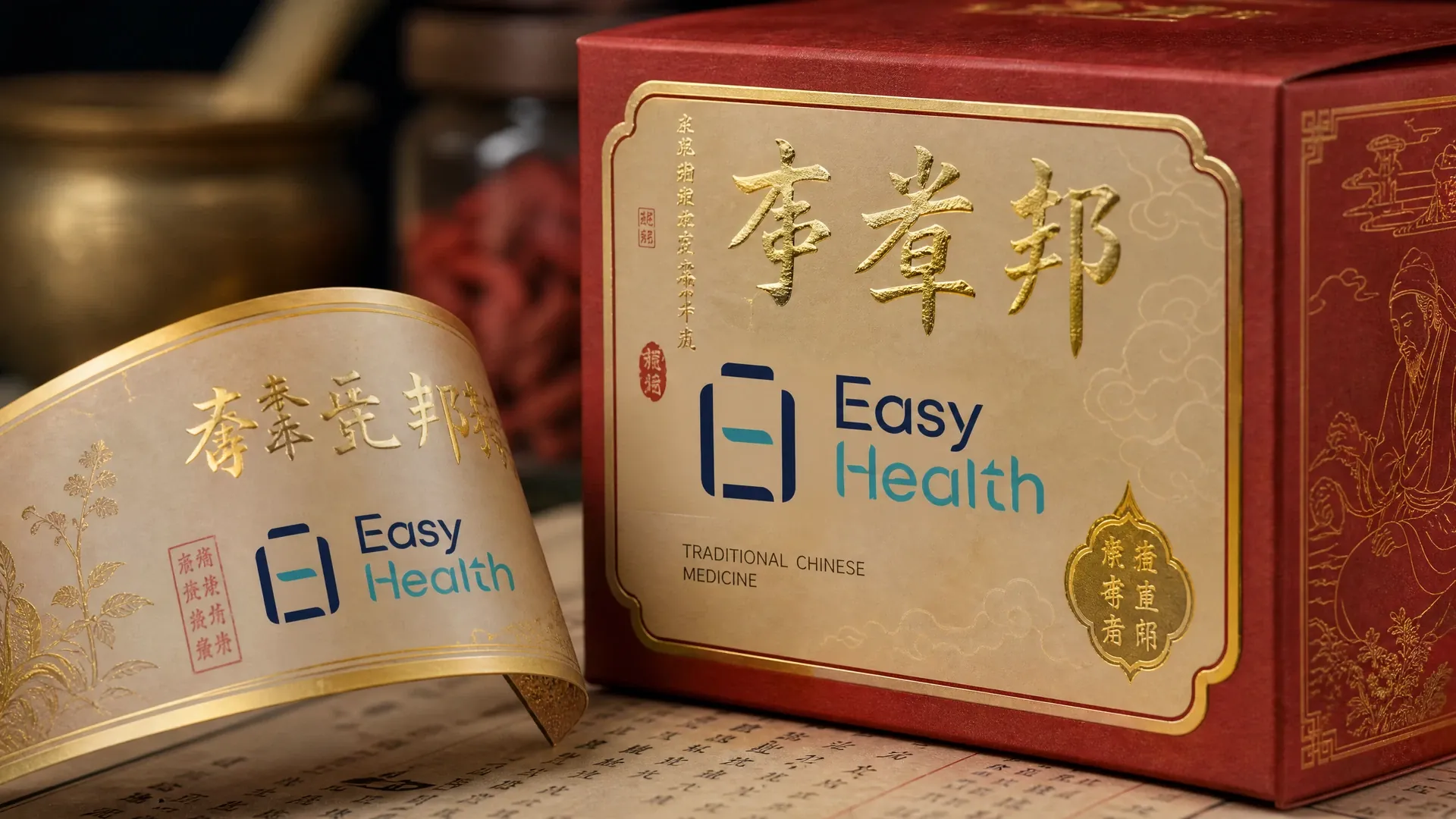
See examples of bottles, stick packs and blister cartons, with label layout planning, placement of batch/expiry marks and typical print finishes—useful for shortlisting options before confirming with our client manager.
Coordination points for TCM packaging projects
Contract packaging for TCM involves material choices, inserts and sealing, label and insert printing, serialisation/batch-code placement, and shipper/pallet dimensions. Based in Hong Kong, Easy Health coordinates label and carton printing, bottle/sachet/stick/blister formats and sampling, and provides practical packing and palletising advice for storage and transport. Where projects involve proprietary Chinese medicine production or specific licences, arrangements are confirmed per project; brands should verify registration and compliance documentation with relevant bodies or professional advisers. Our client managers coordinate details and timelines via WhatsApp.
- Reserve areas for serials and batch codes
- Design for palletisation and case ratios
- Coordinate label/carton print and samples
- Confirm production arrangements per project
Packaging risks to review before production planning
Typical risks include caking under heat/humidity, breakage of glass vials in long-haul transit, cap sticking with viscous pastes, and carton fatigue after frequent opening. We plan closure/liner options early, recommend pilot sampling and ship-test packing, and assess labelling flatness and code legibility. Third-party material or transit tests can be coordinated. Before line-up, we cross-check label–insert consistency, languages and date formats. Timelines vary by project and are confirmed by the client manager.
- Moisture protection for humid seasons
- Transit shock and breakage assessment
- Liner choice for viscous contents
- Pre-line label–insert consistency check
TCM packaging design workflow
- Needs and classification:Confirm dosage form, markets and classification (proprietary medicine or food) to set structure and labelling direction.
- Structure and materials:Propose bottle/sachet/stick/blister options based on light, moisture, oxygen and logistics needs.
- Label and insert planning:Plan registration area, expiry/batch marks, languages and folding method; prepare samples.
- Print and samples:Coordinate label/carton/insert printing and samples; cross-check content consistency.
- Line-up and packing:Coordinate line-up, labelling and ship tests; advise palletisation and logistics.
Inside the Easy Health Hong Kong Facility
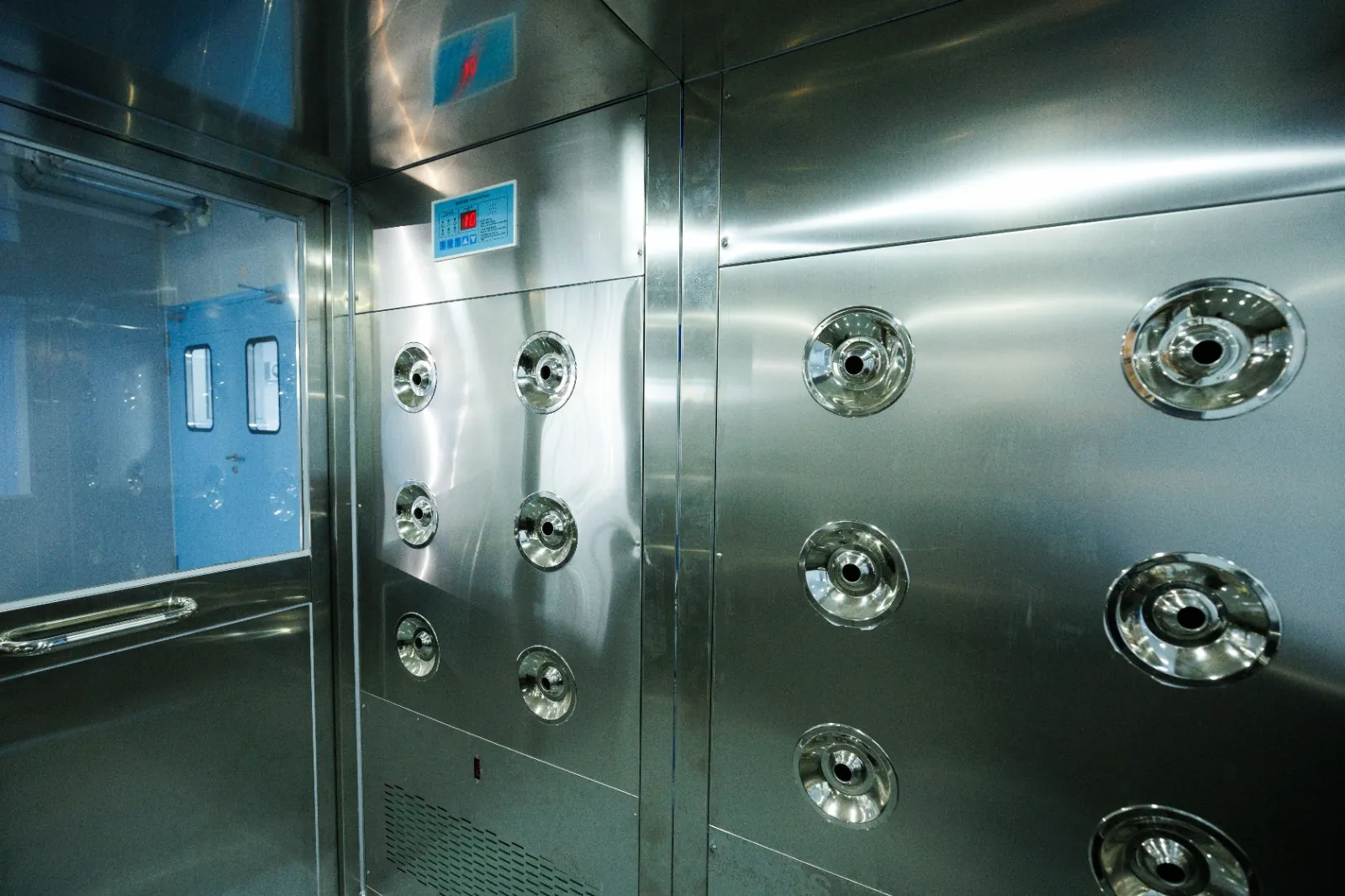

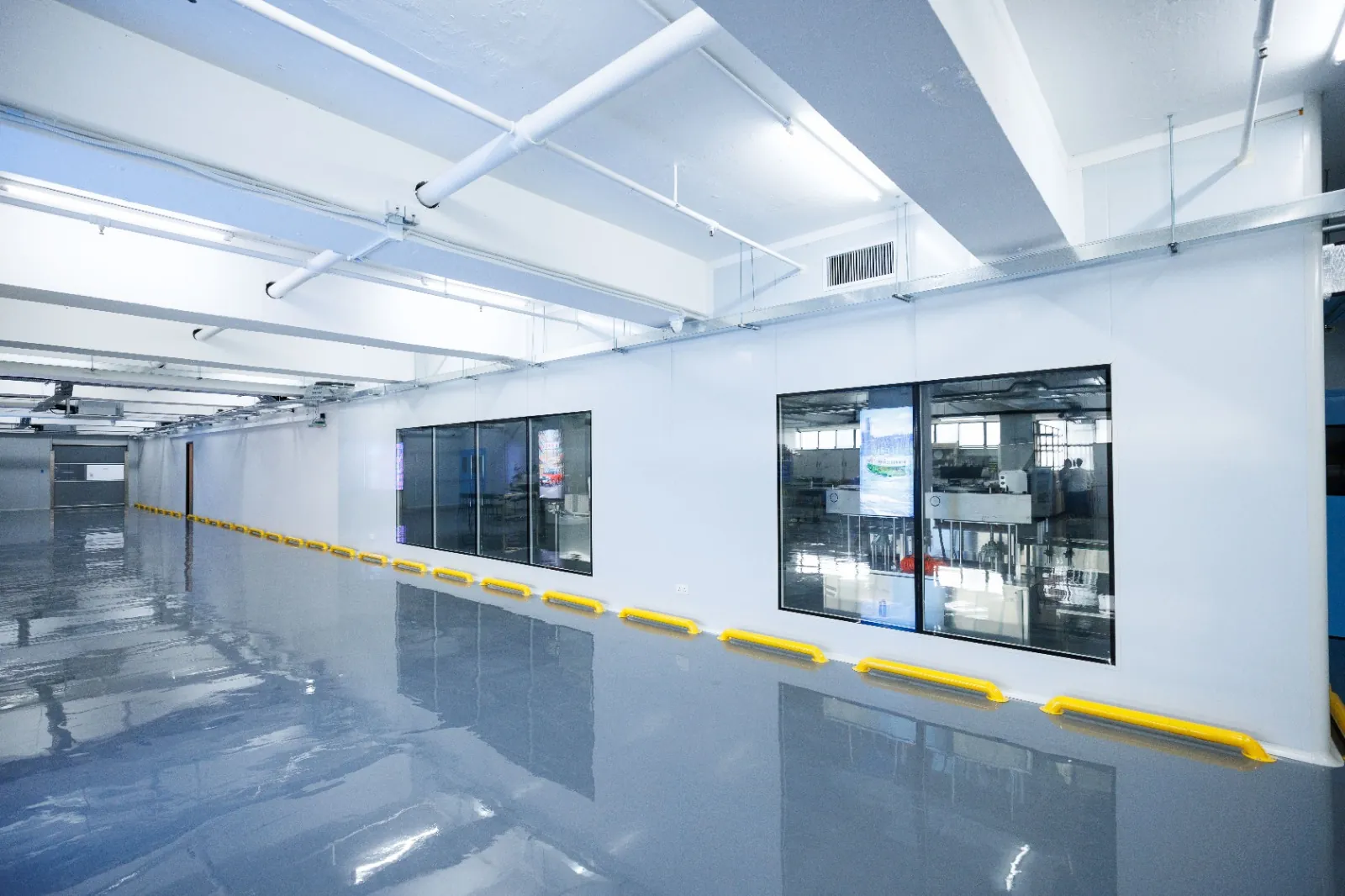
Common packaging formats for Chinese medicine products
| Aspect | Bottles | Blisters | Sticks / sachets |
|---|---|---|---|
| Typical forms | Pills, capsules, tablets | Pills, tablets, capsules | Granules, infusions, powders |
| Protection | Light-resistant bottle and liner | Unit sealing to limit impact | Foil structures block moisture |
| Use | Multiple doses; recap after use | Push out one unit at a time | Tear open for a single dose |
| Label areas (PCM) | Registration no., lot and expiry | Carton areas for registration no. and lot | Plan areas on both outer bag and carton |
| Package insert | Placed in the carton | Folded into the carton | Folded into the carton |
This is general guidance only; the final solution is assessed and confirmed by the account manager for each project.
Pre-design checklist
- Classification confirmed: medicine or general food
- Clear panel for registration, expiry and batch codes
- Dosage form and unit size matched to pack format
- Defined storage/transport conditions (temp, humidity, shock)
- Insert size, paper stock and fixing method planned
- Label flatness and readability checks arranged
Chinese medicine packaging FAQs
What language details are needed on Chinese medicine labels?
Under the Chinese Medicine Council guidance on proprietary Chinese medicine labels, the expiry date and batch number must appear at least in Chinese (EXP/LOT may be added), and the outermost package must show the Chinese name of the registration certificate holder. For other items, refer to the Chinese Medicines Regulation (Cap. 549F) and the labelling guidance. Many brands use a bilingual layout for readability. We can help check the layout of labels and package inserts.
Can the package insert be omitted?
No. Under Cap.549 and Cap.549F, a label and an insert are both required for sale and are not interchangeable. We can coordinate insert sizing, paper stock, folding and fixing method with samples.
How should packaging distinguish foods from proprietary medicines?
Confirm classification first. Foods follow Cap.132W and the “1+7” scheme; proprietary medicines follow Cap.549 and Cap.549F with labels and inserts. We can design clear visual and copy distinctions and reserve space for the registration number.
What design files are needed for sampling?
Provide editable vector files (AI/PDF) with fonts and high-res images, specify spot colours and finishes, and include the latest label/insert texts indicating registration space and expiry/batch formats. We will supply digital or physical samples for review.
What storage and logistics factors should be planned?
Control temperature and humidity; use internal dividers and shock protection. For glass, use partitions and tamper-evident closures; adopt pallet-friendly shipper sizes with orientation marks. We can coordinate case tests and third-party transit simulations. Timelines are project-dependent.
Related Packaging Services
Discuss Chinese medicine packaging design in Hong Kong
Looking for TCM packaging design in Hong Kong? Share your dosage form, markets and labelling needs. We can advise on structures, labels/inserts, bottle/sachet/stick/blister options, sampling and packaging production coordination. Any contract packaging or production for proprietary Chinese medicines will be confirmed per project.
Last updated: