Food packaging safety requirements for materials and controls
Food packaging safety goes beyond nutrition panels. Viewing risks through a “food packaging HACCP” lens and understanding frameworks related to “food packaging ISO 22000” helps translate rules into materials, labels and operations. With an FSSC 22000 food safety system and our own Hong Kong facility, Easy Health coordinates materials and testing, label and carton design, and formats such as bottles, pouches, sticks and blisters—turning requirements into executable steps.
Summary:An explainer on how ISO 22000 and HACCP principles apply to food packaging, what allergen labelling requires, and how to judge materials, structures and tests before sampling.
How do food packaging safety requirements shape material choices?
Food packaging safety requirements focus on risk prevention: applying HACCP to identify hazards (chemical migration, microbiological contamination, physical particles, allergen cross-contact) and set control points; and using an ISO 22000-based system to connect people, environment, documentation and traceability. For materials, make defendable choices: grade and barrier, food-contact suitability (dry/fatty/acid/alcohol), temperature resistance and seal integrity, ink/adhesive compatibility, and completeness of allergen statements and warnings. This keeps design, sampling and production aligned.
What does HACCP for food packaging mean alongside ISO 22000?
Food packaging safety is not a single certificate but a control logic. HACCP identifies chemical, microbiological and physical hazards and sets monitoring and corrective actions. An ISO 22000-based system institutionalises these controls through supplier oversight, documentation, training and traceability. In practice, our Hong Kong facility operates under documented GMP-style controls, and we can share FSSC 22000 certificate scope and audit status for the food safety management system as part of project due diligence. We translate principles into packaging controls such as incoming verification, standardised critical steps, retention samples and lot traceability - coordinated across bottles, pouches, sticks and blisters to keep risks consistently managed.
- Use HACCP to identify packaging risks and controls
- FSSC 22000 links suppliers, documentation and traceability
- Incoming checks, retention and lot IDs close the loop
What evidence supports food contact packaging safety?
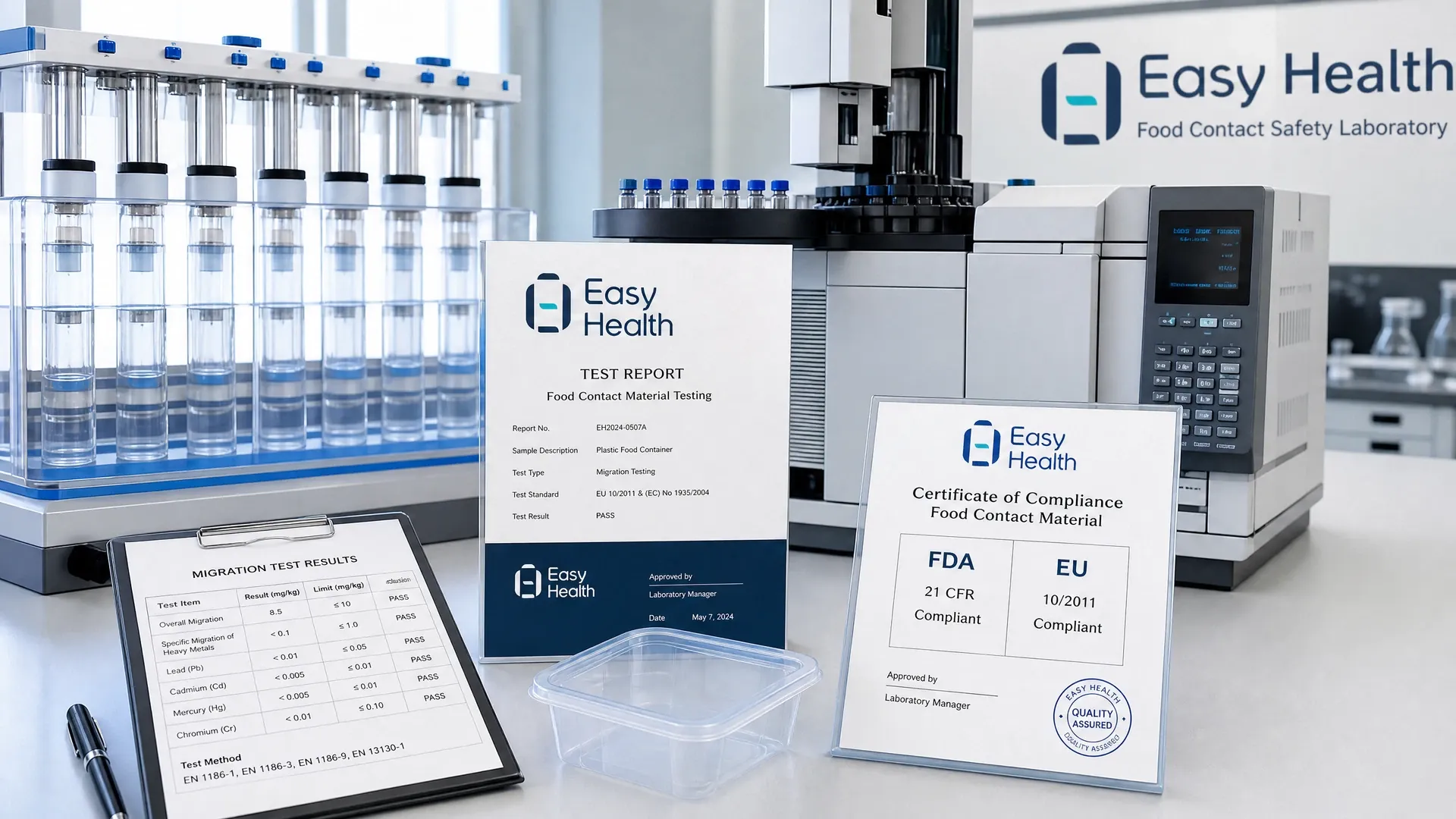
Food-contact materials require both barrier and compatibility. Fatty foods need stronger polarity barriers and inks/adhesives resistant to fat-soluble migration; acidic or alcoholic products need attention to metal/coating corrosion and leaching; chill-chain vs ambient routes impose different condensation and heat-seal integrity demands. Typical tests include overall and specific migration, heavy metals, residual volatiles, seal strength and microbiological cleanliness. Maintain specifications, test reports, lot declarations and change records. For Hong Kong, follow general requirements under Cap.132W. For Mainland China, label per GB 7718 and GB 28050, and confirm materials and testing with local bodies or professional advisors.
- Match barrier and temperature to product nature
- Arrange migration, heavy metal and seal tests
- Keep specs and lot-level test documentation
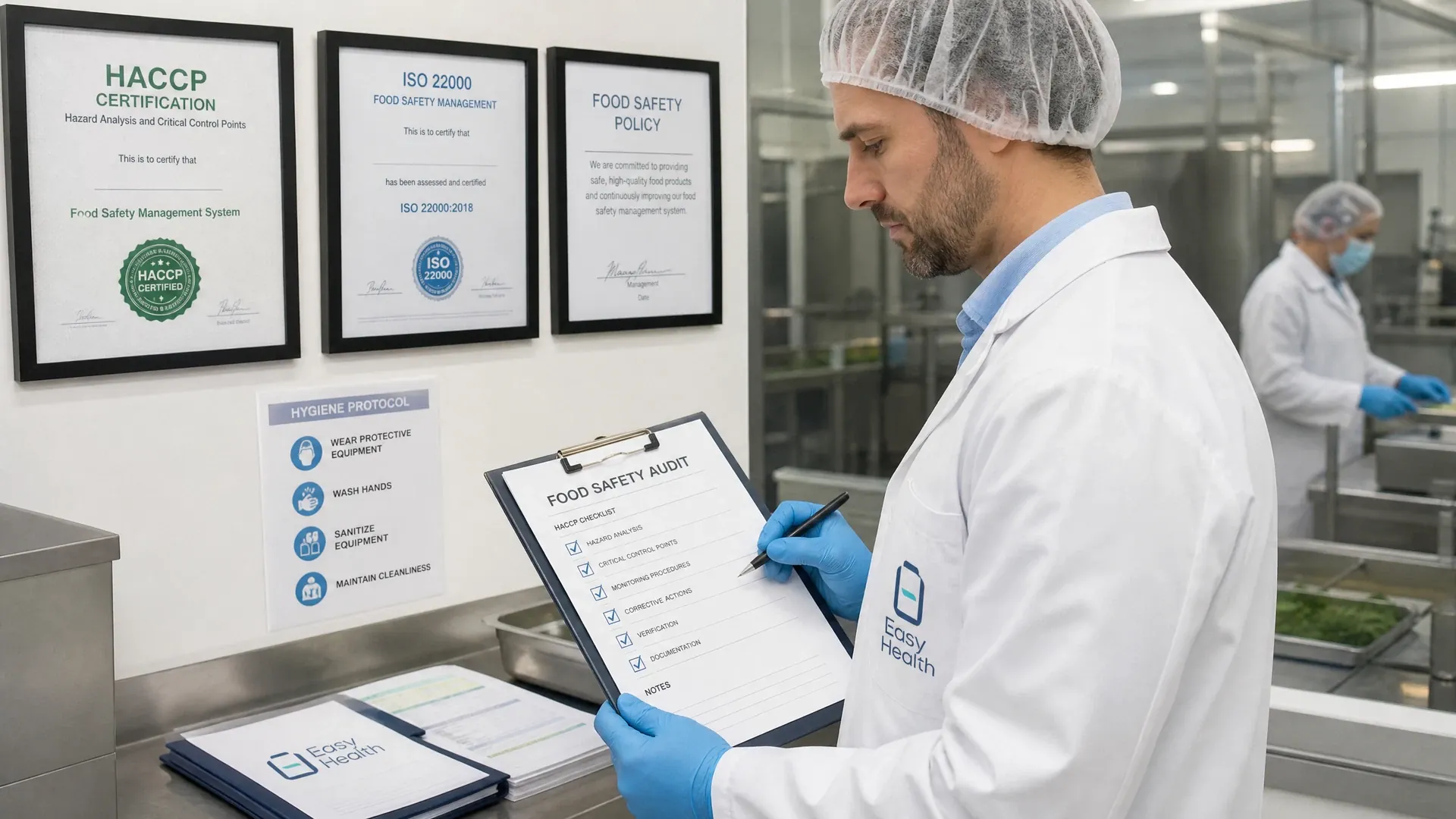
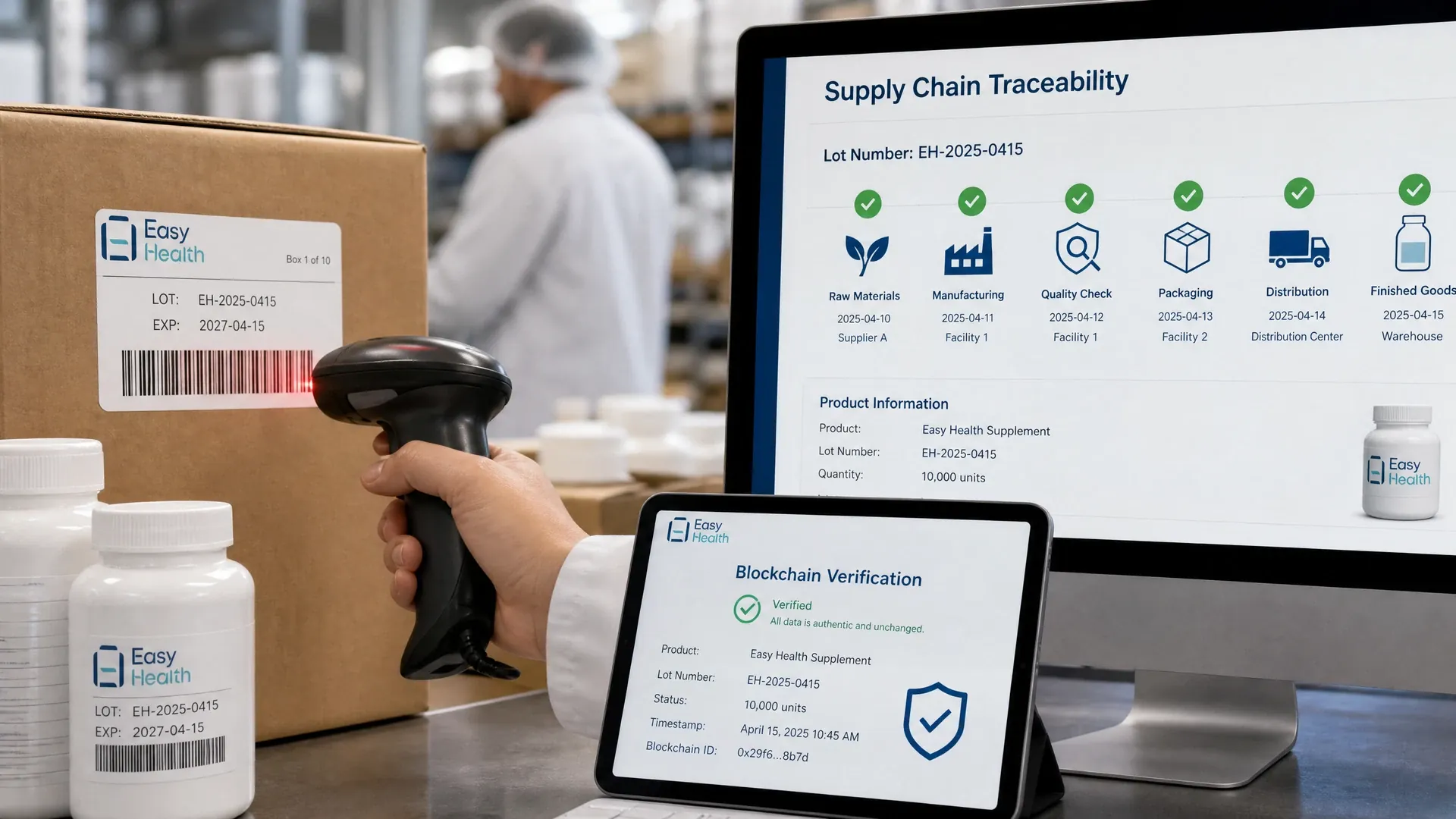
Visual guide to audit checks, test evidence and traceability
These visuals illustrate key focuses in food safety audits, principles for contact-material and migration testing, the role of microbiological checks, and how lot codes and retention complete the traceability loop. Compare against your product to see if current controls are comprehensive.

Allergen labelling and cross-contact control
Allergen labelling is both a regulatory and risk priority. Hong Kong’s Cap.132W requires clear declaration of allergenic substances; Mainland China follows GB 7718. In practice, implement formulation-to-label checks and ensure on-pack allergen visibility and contrast. Operationally, prioritise line segregation or sequencing, with changeover cleaning, tool segregation and controlled people/material flows to reduce cross-contact. For powders, nuts, and products containing milk/gluten, tighten changeover verification and retention sampling, and mirror lot IDs and storage/use advice on outer packs for traceability.
- Clearly declare allergen information on labels
- Changeover cleaning and tool segregation reduce cross-contact
- Lot IDs and retention enable recall-ready traceability
Traceability and documentation: from suppliers to every lot
A robust traceability system should cover primary and secondary materials, critical consumables (inks, adhesives, lidding films) and processing steps. Practices include: incoming verification and release records for each lot; carrying lot IDs through filling, sealing, labelling and cartoning; retention samples with environment/equipment logs. These records support complaint investigation and, where needed, swift recalls, and help pass retail and platform audits. Easy Health coordinates supplier alignment, label/carton arrangements and lot coding design, with each project individually assessed and confirmed by an account manager.
- Lot IDs span materials and process steps
- Incoming checks and release records are essential
- Retention plus environment logs aid backtracking
Packaging safety planning and supplier coordination
- Needs and risk pre-assessment:Understand formulation, markets and logistics; map key risks and compliance points using a HACCP mindset.
- Material and structure options:Recommend bottle/pouch/stick/blister structures to match fat/acid/alcohol, barrier and temperature needs.
- Label and allergen review:Review key on-pack declarations and allergen visibility per Cap.132W and GB 7718/GB 28050.
- Sampling and test coordination:Arrange pilot samples and coordinate required tests (e.g., migration, seal strength) to validate assumptions.
- Production and traceability setup:Execute filling and packing under a GMP-standard environment with lot coding, retention and documentation.
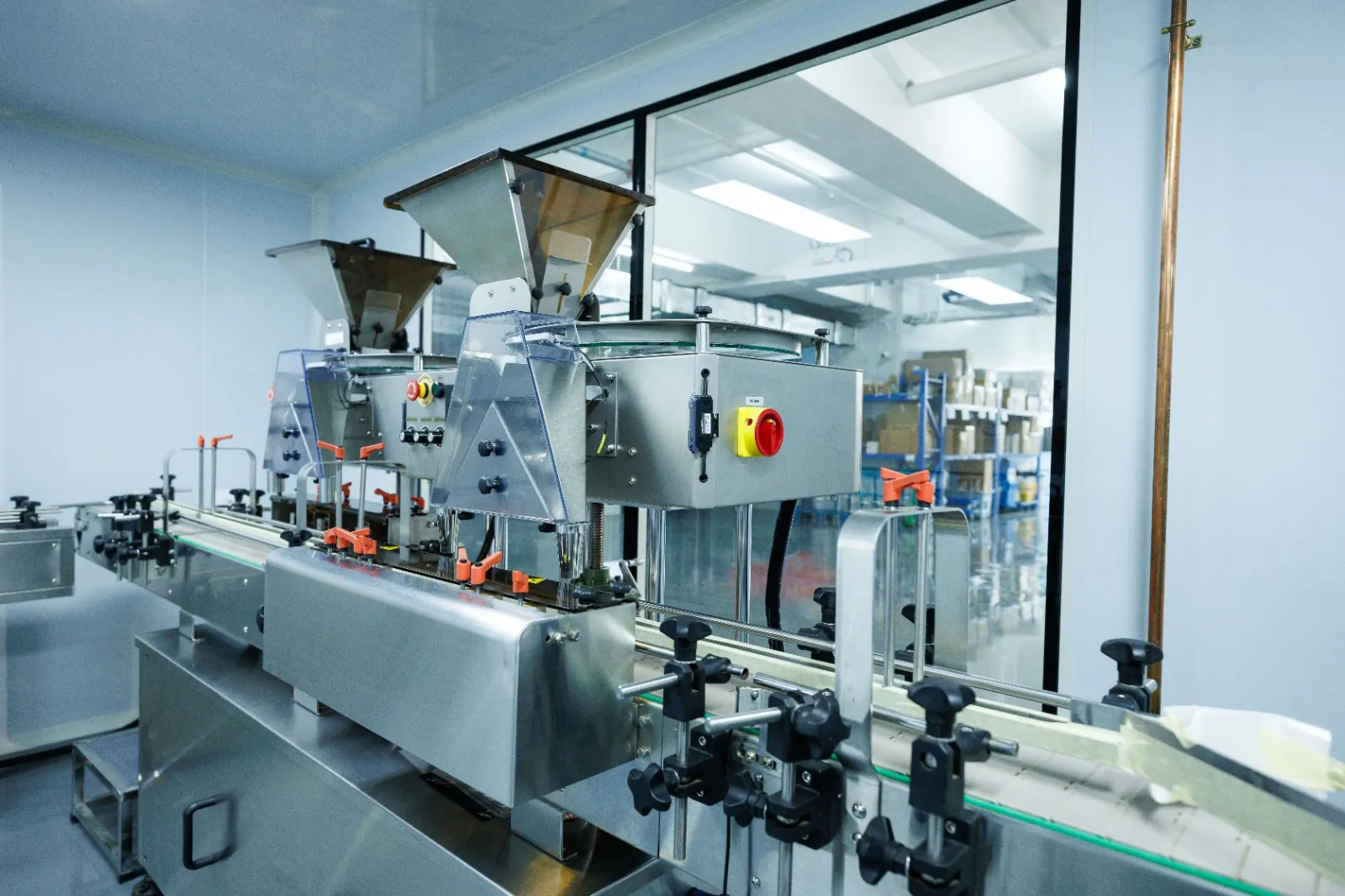
Inside the Easy Health Hong Kong Facility


Common food packaging materials and application notes
| Material | Barrier | Temp tolerance | Suitable products | Compliance notes | Recyclability |
|---|---|---|---|---|---|
| PET bottle | Moderate gas barrier | Moderate | Beverages, tablets/capsules | Check hot-fill, solvent fit | Widely recyclable |
| Glass bottle | Excellent gas/moisture | High | Oily/acidic liquids | Breakage risk; seal fit | Infinitely recyclable |
| Alu-foil laminate pouch | High light/oxygen | Moderate | Powders, instant, nuts | Check migration/pinholes | Varies by region |
| Metallised zipper pouch | Medium-high light | Moderate | Snacks, baking mixes | Zipper cleanliness/seal | Partly recyclable |
| PE sachet | Low gas barrier | Low–Moderate | Confectionery, condiments | Puncture and seal strength | Varies by region |
General guidance only; adjust per product characteristics and test outcomes.
Pre-launch safety checklist
- Allergen list matches formulation; placement and contrast are clearly legible.
- Material specs, test reports and lot documents are complete and traceable.
- Seal strength, temperature resistance and transit vibration passed defined criteria.
- Printing inks and adhesives are compatible with no smudge, migration or lift.
- Lot coding spans primary/secondary packs and links to retention samples.
- Changeover cleaning and tool segregation procedures rehearsed with records.
Food packaging safety requirements FAQs
How can we unify allergen labelling for multi-market products?
Use the strictest market as the master template, then localise phrasing per market. Hong Kong requires clear declarations under Cap.132W; Mainland China follows GB 7718. Reserve variable panels for formulation or warnings, and control versions via documentation to avoid production mix-ups.
Is ISO 22000 mandatory for food packaging?
Regulations typically require effective food safety management and traceability rather than a single certificate; however, an ISO 22000-based system aligns well with customers and platforms. For due diligence, we can provide the FSSC 22000 certificate scope and supporting documents for our food safety management system, and we coordinate documentation and processes as needed.
Can migration and seal-strength tests be arranged at sampling stage?
Yes. After sampling, relevant tests (overall/specific migration, seal strength, puncture) can be arranged to validate material and structure assumptions. We coordinate suppliers and testing, with timelines and items assessed by an account manager.
How should ink and adhesive migration risks be managed?
Prefer outside printing with barrier layers and use inks/adhesives intended for food packaging. Monitor solvent residues and migration risks. For high-fat or high-temperature scenarios, run additional compatibility and migration checks. Maintain specs, COAs and sampling plans, plus lot and change records.
What storage and transport conditions should be considered?
Set conditions by product traits: light protection for fat- or vitamin-sensitive items; temperature/humidity control to avoid condensation and carton softening; stacking tests to prevent deformation and ruptures. Outer cartons should carry lot IDs, storage advice and trace codes, with in/out logs of time and ambient conditions.
Related Packaging Services
Discuss packaging safety checks for your pack
Looking to operationalise HACCP thinking and allergen labelling? Message Easy Health via WhatsApp. Share your product traits, target markets and preferred formats. We can coordinate sampling at our Hong Kong facility, label and carton design, and materials/testing arrangements, with each project assessed and confirmed by an account manager.
Last updated: